

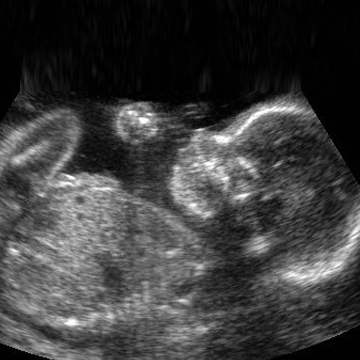
Congenital disorders are an important cause of childhood illness, disability and death. They include neural tube defects such as anencephaly and spina bifida, congenital heart defects, cleft lip and palate, and other conditions. Causes may be genetic, environmental or combined; in many cases the exact cause is unknown. Genetic changes may be inherited or arise for the first time.
Primary prevention begins before conception and continues during pregnancy. It reduces the risk of some disorders but cannot prevent every defect or replace prenatal care.
Preparing for pregnancy
- Discuss chronic diseases, medicines and supplements with a clinician. Diabetes control and medication safety review are particularly important; do not stop prescribed medicines independently.
- Avoid alcohol, smoking and recreational drugs, and avoid secondhand smoke.
- Eat a varied diet and investigate deficiencies when clinically indicated. Not every vitamin or mineral requires a separate supplement.
- Check rubella protection. Live MMR vaccine is given before pregnancy, not during it; avoid pregnancy for 28 days after vaccination.
- Reduce infection risks through hygiene, food safety and recommended testing. “Eliminating all intrauterine infections” is not an achievable preventive procedure.
- Aim for an appropriate weight before pregnancy; do not start an unsupervised weight-loss program while pregnant.
Folic acid: vitamin B9
Folate is needed for DNA synthesis and cell division. The neural tube forms and closes in the first weeks, often before pregnancy is recognized. Folic acid is therefore important in advance.
CDC recommends 400 mcg of folic acid daily for women who could become pregnant. Start before conception, at least one month beforehand when planning pregnancy. During pregnancy, agree the prenatal supplement and continued intake with a clinician. A balanced diet remains necessary.
After a previous neural tube defect-affected pregnancy, 4,000 mcg (4 mg) daily may be needed under medical supervision, starting one month before conception and continuing through the first 3 months. Other high-risk conditions require individual advice. Statements that the dose must never exceed 1,000 mcg or that 800 mcg is optimal for everyone are therefore incorrect.
Do not independently increase the dose or take several multivitamins together. Excess folic acid can make timely recognition of B12 deficiency more difficult; high doses require an indication. Common MTHFR variants are not a reason to avoid folic acid or automatically change the dose. Folic acid is the form with proven preventive benefit against neural tube defects.
Vitamins B6 and B12 and other nutrients
B6 participates in amino acid metabolism and nervous system function. However, claims of a fourfold limb-defect risk from deficiency and guaranteed defect prevention through supplements do not support clinical recommendations. Excessive B6 doses can damage nerves.
B12 is needed for DNA synthesis, blood formation and conversion of homocysteine to methionine. Deficiency risk is higher with vegan diets and malabsorption. Suspected deficiency requires assessment and correction; folate alone does not treat B12 deficiency.
Iron, iodine, vitamin D, calcium and other nutrients matter, but supplementation depends on diet, health and local guidance. High doses of preformed vitamin A (retinol) can cause birth defects, making unsupervised use particularly hazardous.
What prevention can and cannot achieve
Folic acid reduces neural tube defect risk but cannot guarantee a child without any congenital disorder. It is not proven to prevent Down syndrome or autism. Observational associations must not be presented as guaranteed effects. Universal promises of reducing all defects by 70% with folic acid or 90% with multivitamins are incorrect. Red blood cell folate concentration is used in population nutritional assessment, rather than as a mandatory individual target requiring everyone to increase their dose.
Sources and professional guidelines
- CDC: Folic acid recommendations
- CDC: Folic acid facts for clinicians
- NIH ODS: Dietary supplements during pregnancy
- CDC: Pregnancy and rubella
Updated: 03.11.2026