

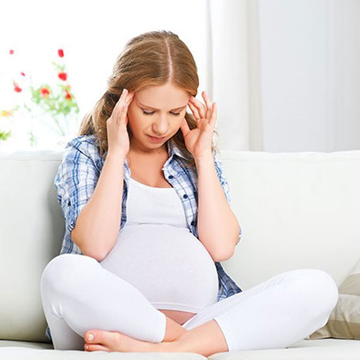
Preeclampsia is a serious pregnancy complication, usually developing after 20 weeks, in which high blood pressure is accompanied by proteinuria or signs of maternal organ dysfunction. Urinary protein is not required when other diagnostic features are present. Swelling alone does not establish the diagnosis. Preeclampsia may first appear after childbirth, including beyond the first postpartum week.
Eclampsia means seizures associated with preeclampsia that cannot be explained by another cause. It is an emergency that can involve impaired consciousness and threaten the lives of mother and baby.
Signs and warning symptoms
Hypertension in pregnancy means systolic pressure ≥140 mmHg or diastolic pressure ≥90 mmHg, confirmed on repeat measurement. Confirmation usually requires two measurements at least 4 hours apart. Severe hypertension—systolic ≥160 or diastolic ≥110—requires prompt confirmation and care; waiting 4 hours is inappropriate. A rise that remains below 140/90 does not by itself mean “early preeclampsia.”
- Severe or persistent headache and visual disturbances.
- Upper abdominal pain, especially under the right ribs.
- Breathlessness, marked nausea or vomiting, or substantially reduced urine output.
- Sudden facial or hand swelling or rapid weight gain may be concerning but are nonspecific.
These symptoms during pregnancy or after birth require urgent medical assessment. Seizures, severe breathlessness or severely elevated blood pressure require emergency care. The disease can also occur without noticeable symptoms, making regular blood pressure checks important.
Possible complications
Complications include eclampsia, stroke, kidney and liver injury, pulmonary edema, coagulation disorders and placental abruption. Placental dysfunction may cause fetal growth restriction and a need for preterm delivery.
HELLP syndrome combines hemolysis (red blood cell breakdown), elevated liver enzymes and a low platelet count. It requires urgent specialist care. Timing and mode of delivery are individualized according to maternal and fetal condition and gestational age; HELLP does not automatically require cesarean delivery in every case.
Causes and risk factors
The mechanisms are complex and involve placental and vascular dysfunction; no single cause has been established. Risk factors include previous preeclampsia, chronic hypertension, kidney disease, diabetes, systemic lupus erythematosus or antiphospholipid syndrome, and multiple pregnancy. First pregnancy, obesity, age and family history also matter. Panels of common coagulation, renin–angiotensin or kallikrein–kinin gene polymorphisms are not standard methods for diagnosing or individually predicting preeclampsia.
Assessment and follow-up
Assessment includes repeated blood pressure measurements, quantitative urinary protein, a complete blood count including platelets, creatinine and liver transaminases (ALT, AST). Additional tests are used if hemolysis or coagulation abnormalities are suspected. Weight gain, uric acid, urea or GGT have no independent diagnostic role. Fetal condition is assessed with ultrasound and other methods as indicated.
The obstetric team determines treatment and delivery timing. Antihypertensive medicines and magnesium sulfate to prevent or treat seizures are used when appropriate. Monitoring continues after birth; a history of preeclampsia also calls for ongoing cardiovascular risk assessment.
Sources and professional guidelines
- NICE NG133: Hypertension in pregnancy
- ACOG: Preeclampsia and high blood pressure during pregnancy
- USPSTF: Screening for hypertensive disorders of pregnancy
Updated: 03.11.2026